Transformation is a constant requirement within organisations in order to remain innovative.
Ensuring the transformation actually works is something not only every organisation struggles with, but also each vertical within the organisation will have its own challenges.
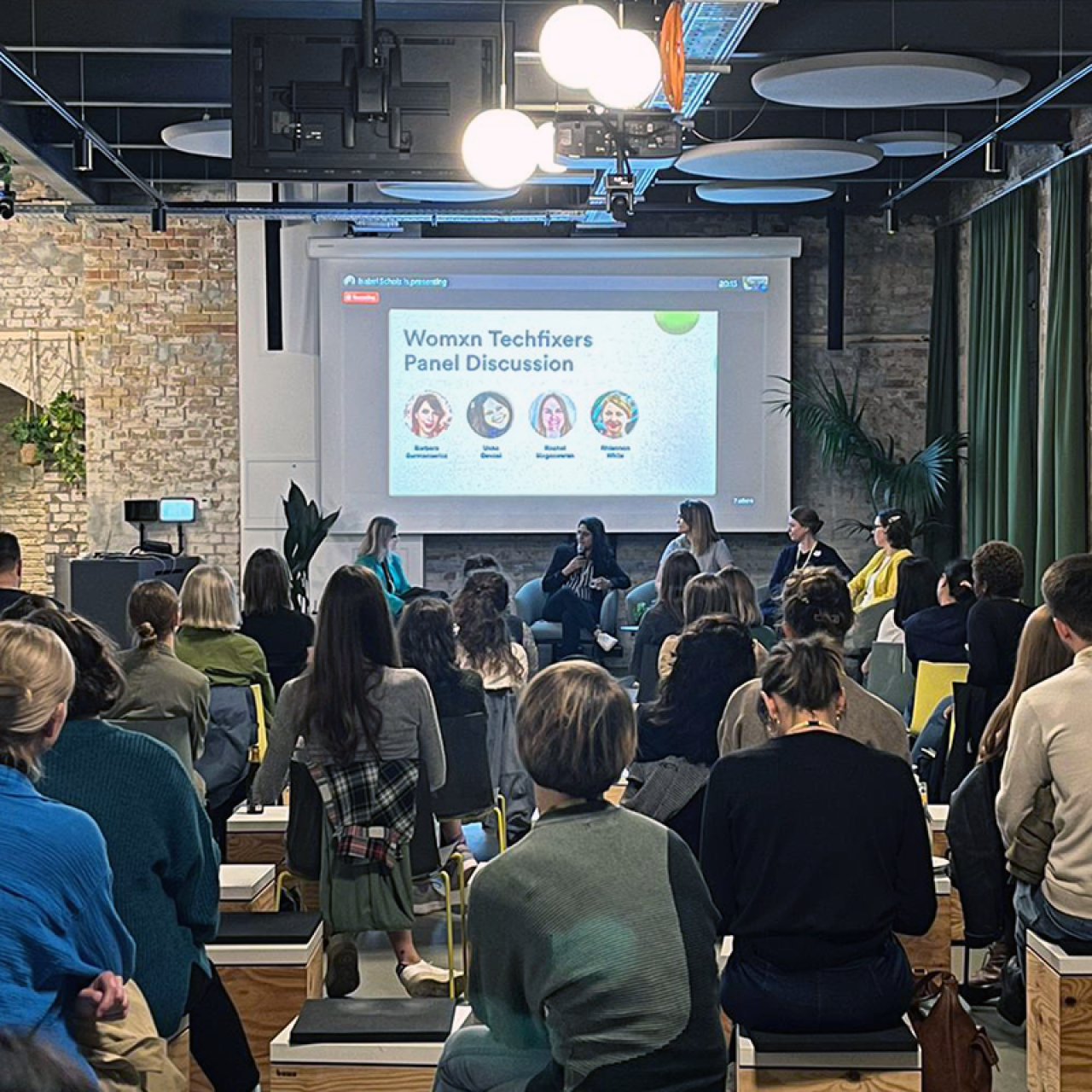
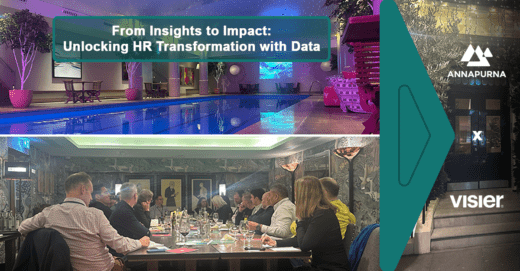
We recently hosted a double roundtable event, bringing together 23 senior leaders across the HR, Technology, and Go-To-Market sectors in London to have an open and honest discussion around why transformation may have failed previously, and how to learn from these mistakes to make future progress.
Usually, these conversations happen within vertical-specific rooms, but by blending disciplines, we were able to explore transformation across stakeholders. The result was some extremely interesting insights that all leaders can use to better advise their transformation efforts.
Amongst all the insights, however, we found three topics kept arising:
Transformation Still Requires Ownership, But It Looks Different Now
Amongst nearly every organisation you look at, transformation is seen as a company-wide priority.
On the surface this sounds fine. The business is prioritising the future by ensuring it’s transformation to get there is of top concern, but there’s a hidden cost of viewing it like this.
When transformation is everyone’s priority, everyone becomes responsible, and execution gets diluted because you’re all trying to achieve a singular goal without any alignment on how to achieve it.
Our attendees highlighted some shifts they’re seeing off the back of this:
- Transformation is no longer exclusive to each function.
- Ownership of the transformation lies with a senior board member who ties all the projects together.
- Senior stakeholders oversee and own the transformation, but utilise individuals across the organisation who have good influence across functions to lead the alignment (this doesn’t always mean the most senior members).
Adapting the way your transformation is executed within the organisation will create more success because senior board ownership means someone non-biased to one vertical can properly oversee the projects within each and how they contribute to one another.
It also means you have a direct report who can make top-level business decisions throughout the transformation, creating less resistence/ time wasting. So, if there’s one step you change immediately, it’s ensuring you have senior sponsorship of the transformation and allowing them to own the overall transformation.
Stop Measuring Work and Start Measuring Output
The COVID-19 pandemic was undoubtebly a catalyst for a different world of work. Since then, organisations have continued to adapt, which has seen most move away from structured role descriptions, rigid KPI’s, and task-based success to outcome-driven measurement, where the be-all and end-all revolves around what is achieved rather than how it was achieved.
This way of measuring success means talent can become more versatile, using their full skillset to make an impact, instead of being held back by their job description. As our attendees identified, though this way of working is preferable these days, you can only succeed in this model if you align your transformation around a specific end goal. Otherwise, the work and what is seen as success can be easily misinterpreted.
One attendee explained how they successfully moulded this into their organisation within the engineering team first. Instead of asking the engineers to do specific tasks, they were given outcomes, allowing them to develop the roadmap to achieving them. For example, instead of asking engineers to change the colour scheme of an app to a specific set that was determined, they were empowered with the task of “we want to improve the user retention of our customers using the app, how can we make that happen?”.
This change in positioning allows the employees to use their skills best, giving them the freedom to create the solution rather than someone higher up with no hands-on expertise constructing what they should do. More often than not, they will also come back to you with a totally different way of doing things than you imagined they would, once again highlighting the importance of this method.
The organisations moving fastest aren’t doing more work, they’re doing the right work, with absolute clarity on the outcome required.
Skills Are The Future, But Your Culture Will Decide If You Can Use Them
There was a strong agreement across both rooms that job titles and descriptions, as we know them, will become redundant and that skills will define the future of work. Unlocking those skills requires more than just a structural shift, it demands a cultural one too.
Our attendees recognised that high performers are too stretched to take on new challenges and employees in general will actively avoid change due to fear of failure impacting performance or reputation.
This means that success itself (the very thing the organisation is trying to create via the transformation) is actually the biggest barrier to the transformation project, which is why culture must change in order to unlock true success.
Our attendees recommended three key ways to ensure you’re creating cultural space for transformation in the first place and deploying talent in the right areas:
- Conduct honest skills audits, ideally combining internal and external perspectives.
- Create the capacity for change, not just the expectation for it.
- Redefine failure as an investment rather than a loss and actively communicate this constantly.
Conclusion
Both rooms covered an array of topics, but everything came back to two critical factors for successful transformation: communication and culture.
No matter how much you change structurally, what new technology you bring on board, or strategy you develop, if the very people actioning the transformation don’t understand the why or feel safe enough to be open to adapting, progress will stall and fail.
The better you align across the organisation and create clear communication channels, the more likely you are to win.