“We need to start planning two steps ahead confidently, rather than five steps ahead optimistically.”
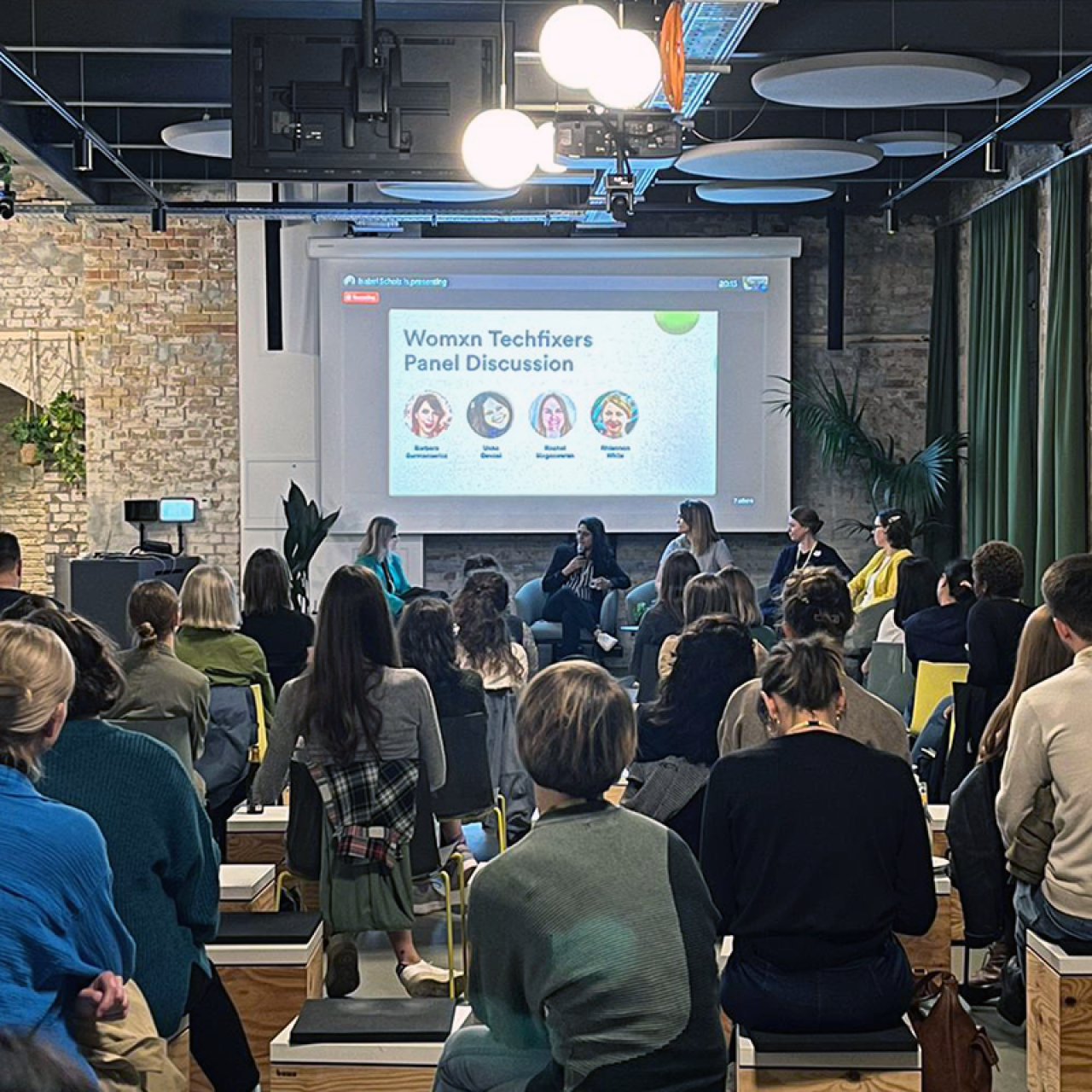
In partnership with Eightfold AI, the market-leading talent intelligence platform, we recently brought together 15 senior People leaders for an open and engaging discussion on ‘The Strategic Shifts Needed to Lead HR Through AI Disruption’.
AI is no longer a new concept. It is now a tool that many organisations are actively exploring and using. The challenge is no longer whether to adopt AI, but instead how to implement it with purpose. Simply being ‘first’ or being able to say you use AI is not enough.
The conversation covered a wide range of perspectives, which led to three clear takeaways:
From Innovation Hype to Measurable Workforce Impact
A recurring theme throughout the discussion was frustration with AI tools that have been launched but have not delivered meaningful change.
Several attendees shared examples of Copilots and chatbots being rolled out across their organisations, only to stall due to unclear ownership, poor data quality, or a lack of connection to real workforce decisions. Essentially, the technology existed within the organisation, but the value was never clearly defined or measured and there’s no longer an appetite from HR leaders in having AI for AI’s sake.
The group debated what good AI use actually looks like in HR, and the result was an agreement that AI creates the most impact when it:
- Connects fragmented people data into a single view of skills and capability.
- Helps predict future skill gaps using historical and current workforce data.
- Supports better decision-making rather than replacing it.
It was clear through the conversation that HR leaders believe that AI excels at processing large volumes of information quickly, but that high-risk and high-value decisions must still sit with humans. This includes decisions around hiring, progression, and workforce change, where context and judgement remain critical.
Redefining Strategic Workforce Planning in an AI-Accelerated World
Strategic Workforce Planning (SWP) was one of the most debated topics of the session.
Traditional SWP focuses on planning not just months, but years ahead. However, with the speed of technology and the way roles are changing, leaders agreed that planning timelines have shortened. Today, organisations are more likely to plan in months rather than years.
While AI can help organisations to identify which roles require the most human attention, understand how jobs are changing as technology is introduced, and match skills to work more dynamically across the organisation, there was a strong caution against expecting AI to ‘solve’ SWP on its own.
With SWP already being a complex initiative (not only to build out, but to get adopted across the board too), applying AI is illogical because it does not hold the skills required to effectively complete this task alone, making it an unfair judgement of it’s ability.
The principle HR leaders set in stone was that AI should inform workforce design, but humans must remain accountable for the decisions that shape the future.
AI should amplify human capability, not replace it.
To succeed, organisations need to move away from rigid, long-term workforce plans and towards adaptive workforce designs, grounded in skills intelligence, human judgement, and continuous insight.
HR’s Moral, Governance, and Leadership Responsibility in AI Adoption
As AI use continues to grow across organisations, leaders agreed that governance and ethics are critical to long-term success.
Concerns within the room ranged from built-in bias to the long-term impact on early-carer talent and employability skills. While AI governance cannot sit with HR alone, HR has a clear leadership role to play as the function closest to people, skills, and careers.
The group agreed HR should be responsible for:
- Challenging biased or unclear AI outcomes.
- Protecting diversity and inclusion.
- Maintaining trust in hiring, development and progression decisions.
Most importantly though, it’s imperative to remember that AI and entry-level roles are not mutually exclusive. When designed intentionally, AI can accelerate learning, personalise development, and help individuals build capability faster, rather than removing opportunity altogether.
An example of this in practice was how one attendee used AI to transform long-form written learning documents into engaging short videos. This created a spike in engagement and, therefore, better training within the organisation.
A final reflection
The organisations that succeed with AI will not be the ones that aim for perfection from day one. They will be the ones who experiment responsibly, learn quickly, and accept that failure is part of the progress.
Failing, and doing so fast, while measuring outcomes, refining use cases, and building on top of human judgment, is what will allow AI to deliver real value.