“Only 54% of employees believe they are paid fairly, with women expressing even lower confidence (49%) compared to men (59%).” – beqom’s 2025 Compensation & Culture Report
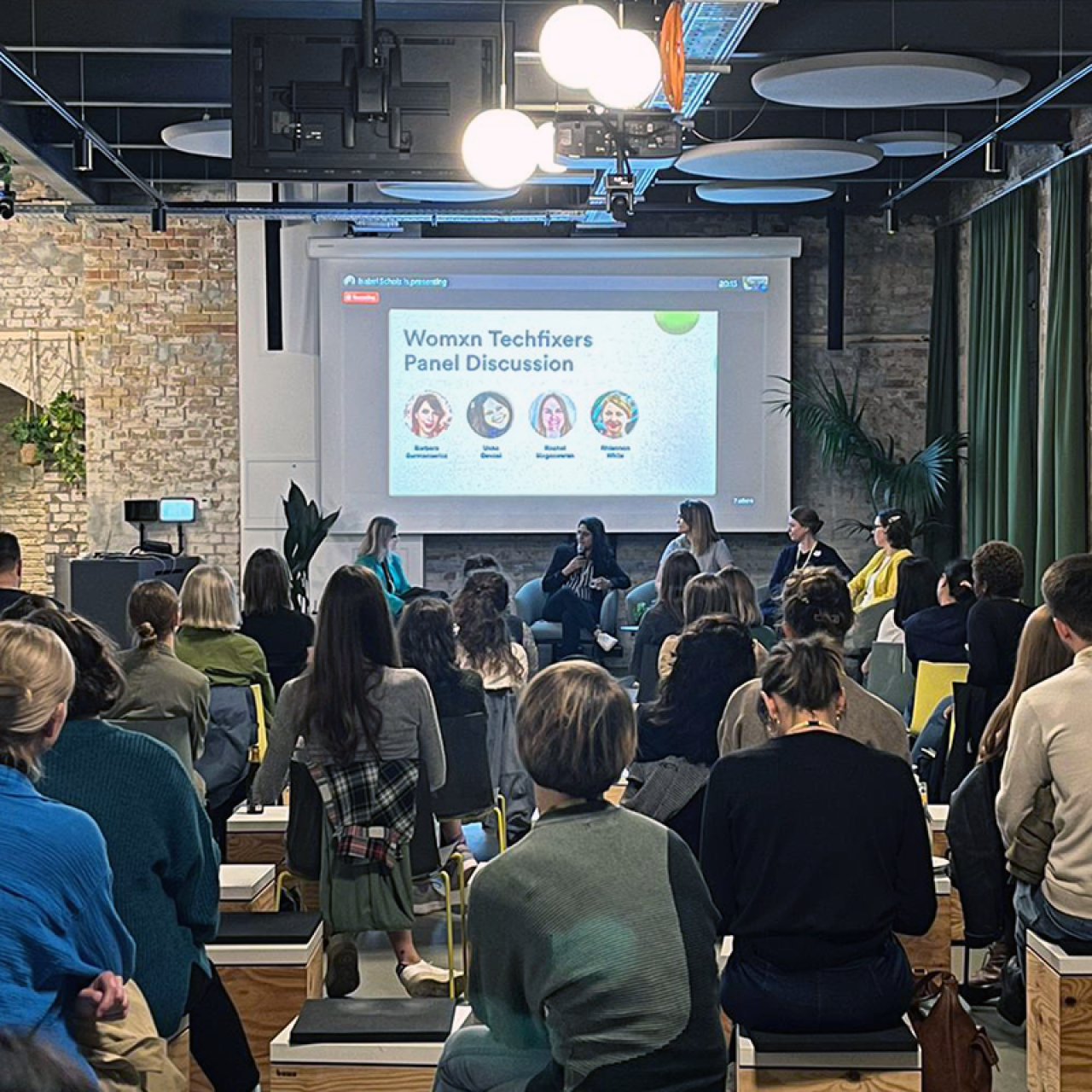
This statistic was the opening comment from our host, James Ballard (Director & Founder at Annapurna), as we brought together a select group of senior Reward leaders for a discussion titled ‘The Future of Pay: Aligning Equity, Performance and Business Impact’.
This topic of conversation has been reignited by the impending EU Pay Transparency Directive deadline, yet the wider conversation is not necessarily about the Pay Directive itself, but about a journey towards equity and how we can create a future-proof organisation.
Bringing expertise to the conversation was Gudrun Thorgeirsdottir (Chief Business Development Officer at beqom) and Ross Elmsly (Head of Solution Advisory at beqom), who provided a wide range of insights as representatives of beqom.
There were three key takeaways from the conversation, which are outlined below
AI in Reward is powerful, but judgement is non-negotiable
The conversation on AI was the most animated of the morning, but also the most cautious. There was genuine enthusiasm for what AI can do: extracting skills from job descriptions, mapping scope and country relevance, building data foundations across benchmarking and HRIS, surfacing discrepancies between similar roles, and showing the reasons behind them. However, each example came with an important caveat: the manager has to own the decision.
AI’s role across the HR function comes with an array of challenges and opportunities. One that arose with a specific focus on the Reward function was around deterministic AI versus probabilistic AI. The idea of the same prompt producing two different answers (probabilistic) is simply unworkable in compensation; consistency and defensibility matter. Another challenge that surfaced was the issue of AI being trained on biased decisions and how this negatively affects its recommendations.
The last major AI-related challenge that was discussed was the audit trail problem. A lot of what makes a pay decision defensible is the history behind it: context, conversations and subjective factors that aren’t necessarily written down. This information simply can’t be fed into a model. Human oversight, the group agreed, has to be logged and visible.
The group also spoke about the impact that AI will have on the analyst of the future. AI’s role will inevitably absorb the work of the analyst who has historically taught Reward professionals their craft, so how will this evolve in future?
The practical consensus going forward was that AI should guide and nudge, not decide. Agents can flag pay changes where there’s been no increase or an unusually large movement; they can surface performance-versus-delivery mismatches for discretionary pay; they can prompt managers toward a recommendation. This is where the value sits. On the other hand, the guiding logic, the pay philosophy, and the end goal need to have humans in control.
Fair pay is a philosophy problem before it’s a process problem
No organisation sets out to pay minority groups less, but it is proven that this occurs anyhow, and the group was honest about the cultural and political layers that sit underneath compensation decisions, especially as pay transparency exposes them. Discretionary bonuses came under particular scrutiny. Can a discretionary strategy genuinely survive regulatory scrutiny and internal fairness tests? The answer wasn’t a clean yes or no. Discretion enables nuance that matrix-based approaches can’t capture, but discretion is also where bias has the most room to operate.
The skills question added another layer of complexity, with the value of any given skill likely to fluctuate. What a coder is worth today may be irrelevant in three years. Several of the attendees talked about working closely with HR business partners to continuously benchmark which skills the business actually needs and what they’re worth, then feeding that back into the job architecture so the right skills are being brought in at the right time. Flexibility was the recurring word.
Underneath all of this was a more fundamental question: what is your pay philosophy actually paying for? The EU calls them “objective factors”: performance, seniority, scarcity, scope. How strong is the pull of each factor in practice, and what happens to the people who fall outside the dominant logic? Reward, as one participant put it, has become a strategic power play. The functions that will thrive are the ones that can articulate what they’re paying for, defend it under scrutiny, and adapt it as the workforce changes, without losing the judgement that makes any of it credible.
The EU Pay Transparency Directive is a powerful force, but not a finish line
It was clear that pay transparency has moved to the top of everyone’s agenda, but the conversation quickly revealed that most organisations aren’t actually aligned with what the Directive is asking of them. The harder question, and the one the group kept circling back to, was less about compliance and more about readiness:
- How are organisations engaging employees on pay transparency when the analytics, job architecture, and grade visibility underneath aren’t yet in place?
- What are UK businesses doing on a voluntary basis, given they sit outside the Directive but inside the same talent market?
- How do you communicate consistently across jurisdictions when legislation hasn’t landed evenly across Europe, with each country’s legislation having its own nuances?
A theme that emerged strongly was that pay transparency is a force for something bigger. This is less of a transparency exercise and more of a career pathing exercise. If you’re going to publish ranges, you need defensible grades. If you need defensible grades, you need a job architecture. If you need a job architecture, you need to know what skills you’re actually paying for, and this is ultimately where the evolution from tasks to skills is reshaping reward strategy entirely.
The provocation in the room was whether organisations should be led by legislation or led because it’s the right thing to do. Most agreed the latter creates a stronger foundation, but the former is what’s actually moving budgets.
The scope of the conversation left many talking points unanswered and also opened up additional questions as a result of the work that the attendees are currently undertaking. Pay gaps will not just go away, they demand focus and attention. beqom recently brought to light the differential pay gaps you should be reporting on, with a specific focus on adjusted versus unadjusted pay gaps. To learn more about how this affects your organisation, click here.
beqom is a high-growth B2B SaaS company powered by Intentional AI that provides industry-leading tools for pay equity and transparency, compensation, and performance management. Trusted by leading global enterprises, beqom empowers HR leaders to make smarter, compliant pay decisions that win and keep top talent.