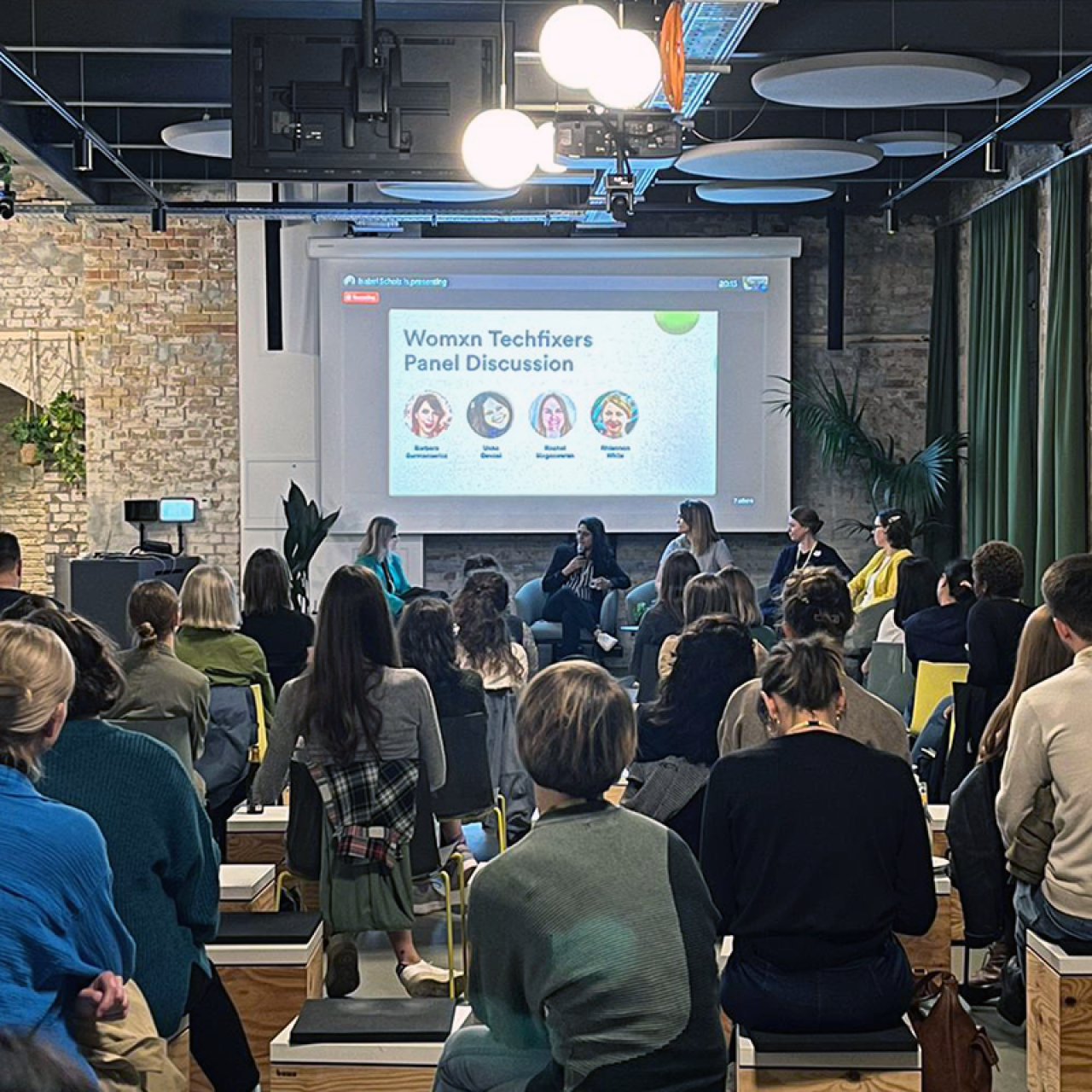
Annapurna is delighted to have recently partnered with HireRight for a thought-provoking discussion with a select group of senior people leaders about how compliance, technology, and candidate expectations are transforming talent acquisition.
The use of artificial intelligence (AI) in the workplace remains a divisive topic, with some already reaping its benefits while others have concerns about it taking peoples’ jobs. The conversation covered how upcoming regulations and AI tools are changing the compliance narrative, with job descriptions and onboarding now under sharper scrutiny.
Additionally, beyond efficiency, AI is pushing recruitment towards capability-based hiring-where critical thinking, adaptability, and a growth mindset matter as much as technical skills. To conclude the session, we challenged the definition of recruitment success: is it about filling roles quickly, or ensuring long-term performance and tenure?
Here are some of the takeaways from this fascinating conversation:
Compliance is evolving – and AI is changing the narrative
With the UK’s Employment Rights Bill – and similar regulations elsewhere – on the horizon, compliance now extends to how AI influences recruitment practices, with a focus on fairness and transparency.
The role of bias in recruitment is a major concern for recruiters, but AI has the potential to reduce this. For example, a job description stating “50% travel” might unintentionally discourage candidates with caregiving responsibilities. AI could help by interpreting such phrases and clarifying, e.g. “50% travel within working hours”, to help maximise the pool of applicants.
However, AI’s success depends on the accuracy of the data it processes. Outdated or poorly written job descriptions, often reused year after year, can result in low-quality results. As one participant noted, “if the input is wrong, even the smartest AI will generate a result that misses the mark.”
To use AI ethically and effectively, organisations must establish governance frameworks to test, monitor, and regularly update AI tools. The goal should not be to use AI for its own sake, but to use it to eliminate repetitive tasks and enable people to focus on higher-value work.
Capability-driven Recruitment
The conversation explored how AI is helping organisations move beyond traditional CV screening to evaluate a candidate’s adaptability, curiosity, and ability to thrive in evolving roles – skills increasingly critical in a rapidly changing world.
One question posed: If a candidate uses AI tools like ChatGPT to enhance their CV, is that a red flag or a sign of digital competence? Many agreed it could demonstrate the curiosity and comfort with technology that modern employers need.
True recruitment success will depend on assessing both human and technical skills – including logic, emotional intelligence, and critical thinking. As one leader summarised: “AI can streamline processes, but it can’t replace human judgement.”
Everyone involved in hiring, from recruiters to hiring managers, must become AI-literate, not necessarily experts, but confident and curious users of the technology.
Redefining Candidate Experience and Recruiter Accountability
AI offers the potential to personalise candidate journeys, tailoring job offers, onboarding, and development insights to an individual’s needs. However, the “AI snowball effect” (AI-generated job descriptions + AI-written CVs + AI-screened applications) presents new challenges. Recruiters must balance speed with quality and authenticity.
AI could also enhance onboarding by drawing from interview data to design a more tailored introduction and development plan for new hires.
However, with growing sophistication in candidate fraud, AI can also play a crucial role in helping to verify candidate identities and qualifications. HR leaders remain the ultimate gatekeepers, ensuring that the future leaders of their organisations are who they claim to be.
The discussion also examined the recruiter’s evolving role: does accountability end on a new hire’s first day, or should success be measured by long-term performance and retention? Increasingly, recruitment is being reframed as talent integration, not just acquisition.
AI: The Great Enabler
While AI is transforming the recruitment process, human judgement, empathy, and accountability remain essential and attendees agreed that AI would not replace human recruiters, just as past developments such as video interviews and semantic search didn’t. Instead, these innovations enhanced the process and allowed recruiters to focus on strategic, human-centred work. AI’s strength lies in doing the same, elevating human decision-making, not replacing it.
The impact of AI across the employment process is already visible, but its full potential – and associated risks – are still emerging.
To explore this further, HireRight has launched an eBook providing a high-level overview of some of the legislation, use cases, and key considerations with AI tools being used in the recruitment process.